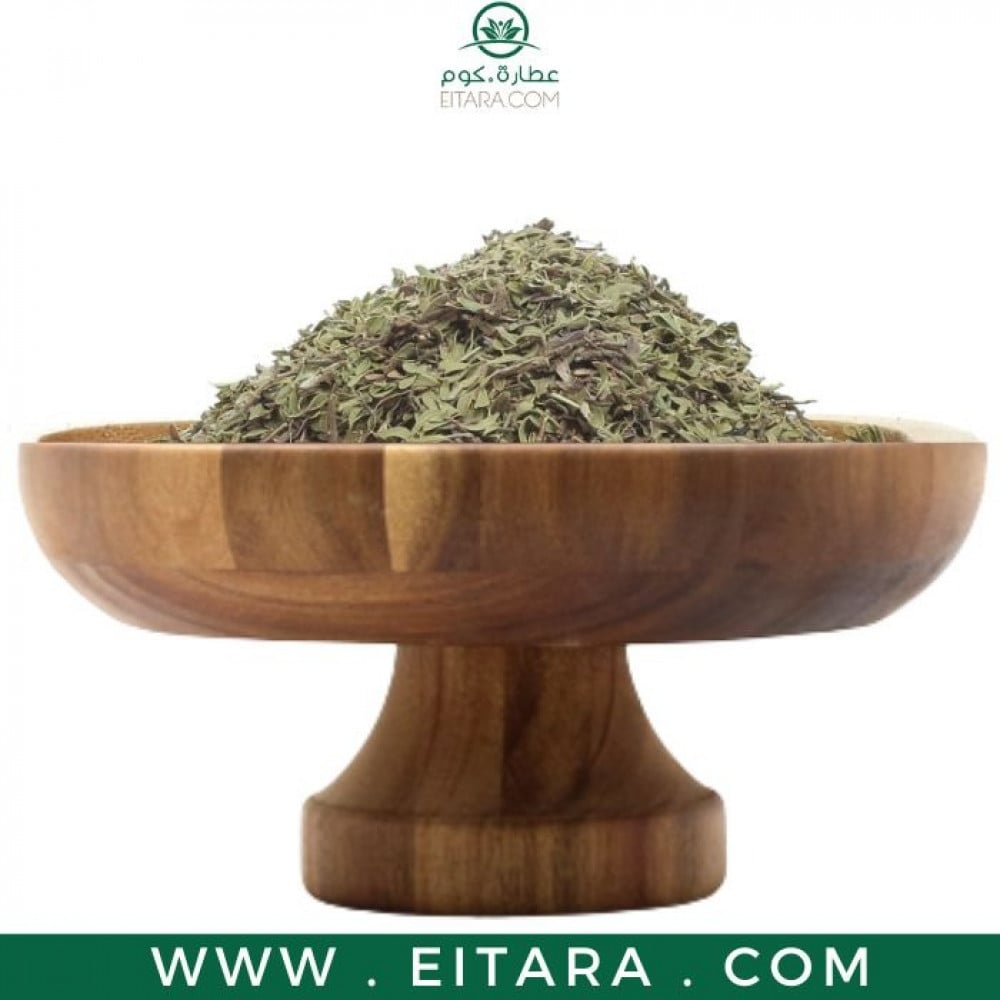
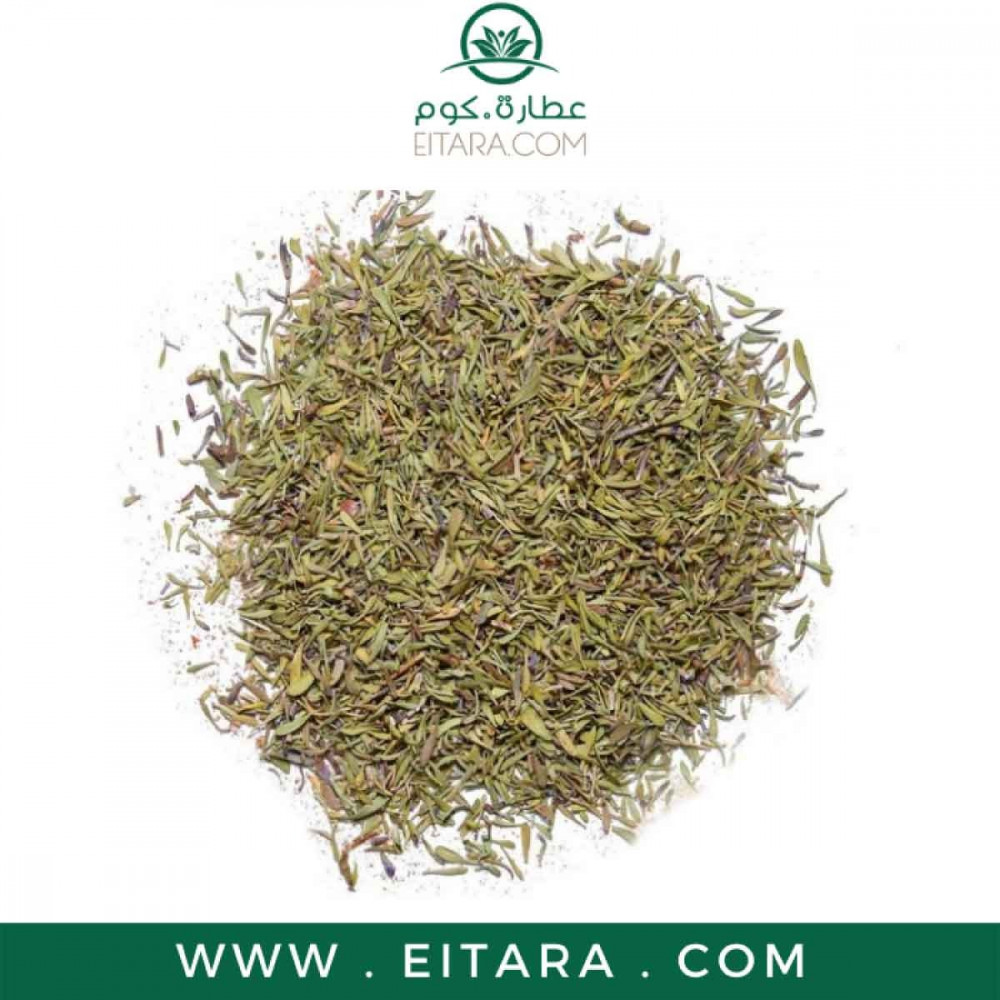
زعتر بري يمني مجفف
هو نوع من الأعشاب البريّة التي تنتشر بكثرة في المناطق الصحراوية ويُجمع في فصل الخريف، وله رائحة نفّاذة مميزة مختلفة عن الزعتر البلدي، ويحتوي على الكثير من الخصائص العلاجية المتنوعة، ويتم استخدام زعتر بري أيضًا على نطاق واسع في إعداد وصفات الطعام والشراب.
فوائد الزعتر البري اليمني
نذكر منها:
يعالج أمراض الجهاز التنفسي
يُعتبر الزعتر البرّي أحد أكثر الأعشاب التي تحتوي في مكوناتها على مركبات مضادة للبكتيريا والالتهابات والفطريات، وبالتالي قد يقلل من أعراض أمراض الجهاز التنفسي مثل: التهابات الحنجرة و البلعوم، والرشح و يمكن شرب زعتر بري للكحه، والتهابات الشعب الهوائية.
يعالج أمراض الجهاز الهضمي
يمكن تناول ورق زعتر بري أيضًا لعلاج أمراض الجهاز الهضمي مثل: التهاب المعدة والقولون، ويساهم أيضًا في التخفيف من حدّة الإمساك، وغازات البطن، والانتفاخ، ويحسّن من عملية الهضم.
يعالج ضغط الدم
وذلك بسبب خصائص زعتر بري اخضر المدرّة للبول مما يسمح للجسم بالتخلص من السوائل الزائدة، بالتالي خفض الضغط بطريقة طبيعية دون حاجة لاستخدام أي أدوية.
استخدامات الزعتر البرّي اليمني في المطبخ
نذكر منها:
إعداد المخبوزات
يمكن إضافة زعتر بري طازج مع القليل من الجبن المالح إلى العجين لصناعة الفطائر أو حتى البسكويت للحصول على فطور ذي قيمة غذائية عالية.
صناعة الصلصة والسلطات
يُستخدم زعتر بري مجفف بكميات قليلة في السلطات أو قد يدمج مع صلصة الطماطم والتوابل الأخرى للحصول على طعم مميز.
إعداد الشاي
من الممكن غلّي بضع أوراق طازجة أو مجففة من الزعتر البرّي مع الشاي للحصول على شاي زعتر بري بنكهة مختلفة.
ما يجب معرفته قبل استخدام الزعتر اليمني البري
ينبغي مراعاة بعض الاحتياطات عند استخدام المنتج:
- يُمنع استخدام زعتر بري للحامل والمرضعات ومن هم أقل من 18 عامًا.
- يُفضل تناوله حسب الحاجة ولفترات قصيرة لا تتجاوز 4 أسابيع.
- يُمنع تناوله مع المكملات الغذائية كالحديد أو الزنك لتلافي حدوث أي تفاعلات قد تؤثر على الصحة.
- يُمنع شربه للمرضى الذين يتناولون أدوية تخثر الدم أو أدوية الإكتئاب.
يُمكنكَ تصفُّح المزيد من المنتجات اليمنية من التوابل والبهارات والاعشاب الطبية من متجرنا مثل منتج البردقوش المجفف الذي يُعتبَر من الاعشاب العطرية التي تُشبه رائحتها رائحة النعناع، الذي يمتلك خصائص علاجية طبية كبيرة.
أو تصفَّح عشبة زهور الخزامى واستفِد من خصائصها المضادة للميكروبات وخصائصها العطرية المهدئة للأعصاب وأضفها أيضًا إلى سلتك.